
A rock hitting your windshield is one of the most common sources of windshield and auto glass damage in Northeast Pennsylvania.
One nationwide survey found that, for every million cars on the road, nearly 30% have suffered minor windshield chips or cracks.
The threat of kicked-up rocks is even more acute in the mountainous region of Northeast Pennsylvania, where falling rocks near rock-cut formations, gravel roads, and construction vehicle debris put drivers at constant risk.
While rock damage to windshields varies in degree and intensity, it’s essential to act quickly to stop cracks from spreading on windshields that can still be repaired.
Likewise, any cracked windshields that obstruct your vision or lie on the edge of the glass’s surface will need to be replaced to avoid issues with your inspection and for your safety.
If you’ve recently dealt with a rock hitting your windshield and see visible damage to the surface, follow the steps below to resolve the problem quickly and affordably.
Step 1: Assess the Damage Immediately
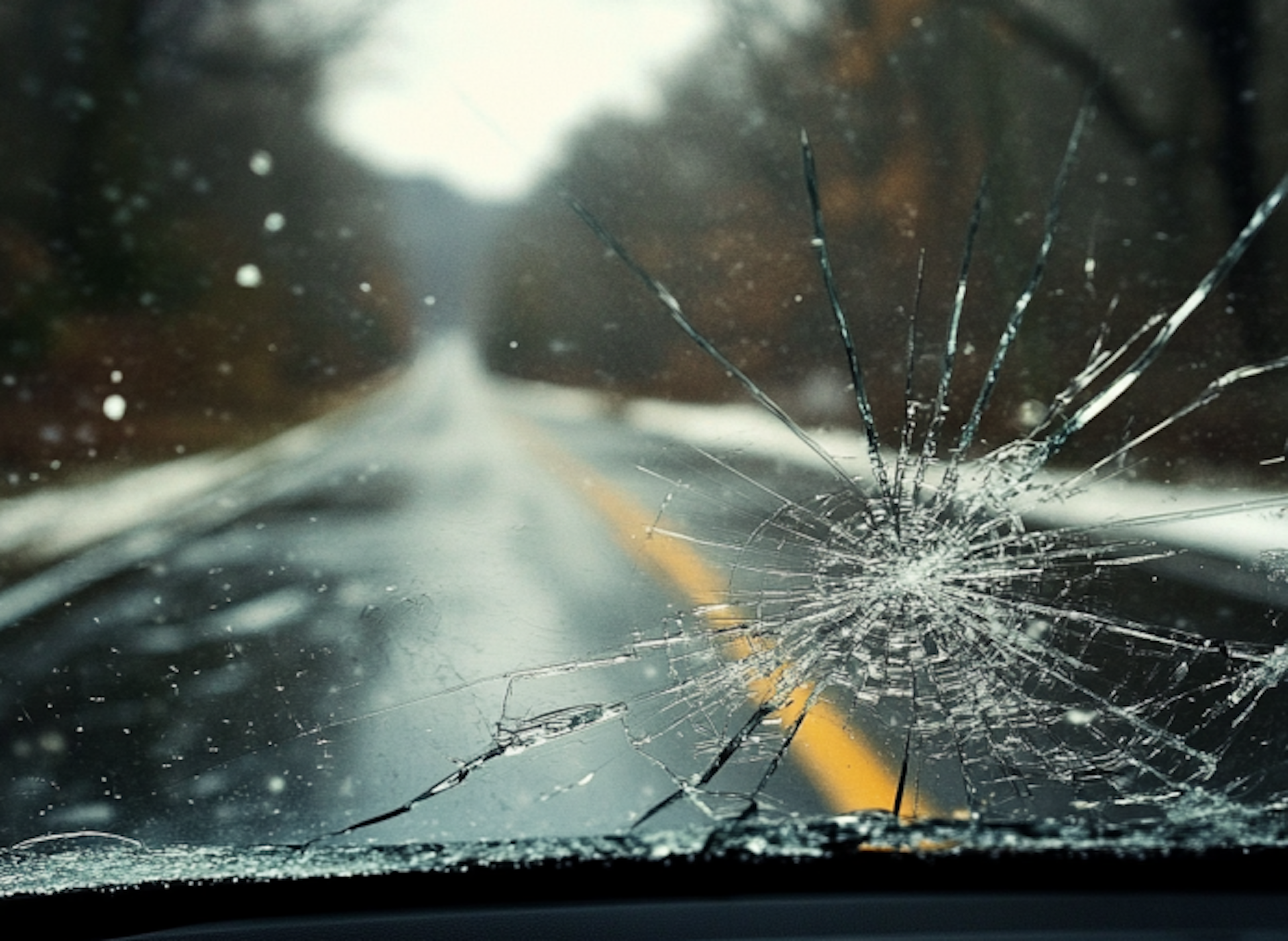
As soon as the impact occurs, pull over safely and inspect your windshield. Note how large the break is, where it is located, and whether glass fragments are loose. If the rock hits your driver’s line of sight or if shards of glass are visible on the surface, you must stop driving and call for mobile auto glass service immediately.
Even if the vehicle still drives well, delaying repair invites the damage to spread.
Look for these damage types to determine what your next steps will be:
- Small Chips or Cracks: Small or superficial damage can typically be repaired with our special resin fill–granted the damage does not penetrate the bottom layers of glass or the crack does not lie on the edge of your windshield.
- Larger Cracks or Spiderweb Patterns: Larger damage will typically require replacement, as preventing it from spreading with a traditional resin fill will be impossible.
- Edge Cracks: While you can drive with an edge crack for a short distance, it will require replacement as these cracks weaken the bond between the glass and the frame, placing your safety at risk.
Step 2: Document the Damage for Insurance
If the damage is significant and will require repair or replacement, document it immediately for your insurance company.
Take clear photos of the damage, including close-up and wide-angle shots. This documentation can be helpful if you plan to file an insurance claim or need to explain the situation to a repair technician.
While shops like Northeast Auto Glass will contact your insurance company directly and document all damage, less thorough shops or mechanics may not.
All windshield damage is covered under comprehensive coverage, saving you out-of-pocket costs; you will be covered for any damage, but you will have to pay a deductible.
Step 3: Stop the Damage from Spreading
Once a rock hits your windshield and creates a chip or small crack, the priority is to prevent the damage from worsening until it can be repaired. Windshields are under constant stress while driving, causing the cracks to spread quickly.
Rough roads, temperature swings, and rapid use of the defroster are the most common triggers of cracks that spread across your windshield.
Start by reducing pressure and stabilizing the glass:
- Avoid sudden temperature changes. Don’t blast the defroster or AC directly onto the damaged area. Sudden heating or cooling can cause the glass to expand or contract, turning a chip into a spreading crack.
- Drive cautiously on uneven or pothole-prone roads. Local roads like Route 309, I-81, the San Souci Parkway, and side streets can be littered with potholes and rocks. Vibrations and impact can cause cracks to travel across the windshield.
- Cover the chip with clear packing tape. This helps keep out dirt and moisture, which makes professional repair more effective. Do not use duct tape, tinted film, or anything that obstructs visibility.
- Keep the windshield dry. If rain or snow gets into the crack, it can freeze overnight and force the damage to widen. Parking in a garage or under a carport when possible helps.
Stopping the damage from spreading is about buying time, not fixing the issue. The sooner you have the chip evaluated, the more likely it can be repaired instead of replaced, which is faster and more affordable.
Step 4: Contact a Local Shop with High-Quality Repairs or Replacements
Not all auto glass repair shops and options are created equal. We recommend working with a specialized shop, as most mechanics are not properly equipped to handle auto glass repairs or replacements.
Likewise, a dealer will have to order the correct replacement parts, which will greatly extend your wait time.
Search for an auto glass repair shop that offers high-quality service. Some things to look for that will indicate high-quality service include:
- ADAS Calibration: Low-quality or “cheap” shops forgo this step to save customers money but it could end up making your vehicle inoperable.
- Mobile Repair Service: Shops that offer mobile repair and replacement services are typically equipped to handle any type of job.
- High-Quality OEM and Aftermarket Options: Discuss different glass options to determine which is right for your vehicle. What’s most important is getting a product that matches the dimensions of your vehicle and is built with high-quality materials.
- Works with Insurance: Shops like Northeast Auto Glass will contact your insurance directly to help file a claim and get a portion of your repair covered without raising your rates.
- Warranty: Look for a shop like Northeast Auto Glass that backs each product and service with a lifetime warranty, ensuring your glass is always protected.
Step 5: Take Post-Repair Precautions
Once your repair or replacement is complete, you need to take additional steps as instructed by the technician.
This includes keeping the area where the crack was repaired clean for up to 48 hours, or allowing the adhesive to cure for a full day before driving your vehicle.
Steps to Prevent Future Rock Chips in Your Windshield
While no one can control when a rock will strike their windshield, drivers can take preventive measures to avoid potential damage.
- Keep Your Distance: Stay well behind trucks or vehicles carrying loose gravel or debris.
- Use a Quality Windshield Protector: These can shield against small impacts and reduce the risk of chips.
- Park Strategically: Whenever possible, park in shaded or covered areas to protect your windshield from extreme weather.
- Make Repairs As Quickly as Possible: As previously mentioned, repairing your windshield quickly will help avoid additional damage and the need for replacement.
What Types of Rock Chips Are Repairable?
Not every rock chip requires a full windshield replacement. Many can be repaired affordably if the damage is small, shallow, and stable.
Repair is usually possible when the chip is smaller than a quarter, hasn’t spread into long cracks, doesn’t reach the windshield edge, and is not directly in the driver’s primary line of sight.
Common chip types that are often repairable include:
- Bullseye Chip: A round impact mark that is usually repairable if treated early.
- Star Break: A chip with short cracks radiating outward; repairable if the cracks haven’t spread.
- Combination Chip: Contains multiple break patterns; may be repairable depending on depth and size.
- Surface Pit: A shallow nick in the outer glass layer; easy to seal to prevent spreading.
Windshield replacement becomes more likely when:
- The crack is longer than a dollar bill
- The damage reaches the edge of the glass
- The crack obstructs the driver’s field of vision
- The glass is shattered, missing fragments, or continuing to spread
Acting quickly increases the chances of repair rather than replacement, especially in the northeast, where temperature swings and road vibration can cause small chips to spread quickly.
Understanding Pennsylvania’s Windshield Laws
If you are not convinced to repair your rock chip or cracked windshield, just know that Pennsylvania laws do prohibit driving with a damaged windshield that is directly in the driver’s line of sight.
Furthermore, driving with a damaged windshield in Pennsylvania can lead to fines or inspection failures.
Lastly, windshields are important structural components, protecting drivers from the roof caving in during a collapse. While a simple edge crack may seem innocuous, it will compromise the structural integrity of your vehicle.
If a rock chip recently struck your windshield, don’t panic. From fast repair options to insurance coverage, you can get a rock-hit windshield repaired or replaced in little time at very little out-of-pocket cost.
FAQs
How quickly should I repair a chip or crack?
Immediately. Delaying repairs can allow cracks to spread or dirt and moisture to infiltrate, making repairs less effective or requiring replacement.
Can a DIY repair kit fix the damage?
DIY kits can temporarily address small chips, but they may not provide the durability or clarity of professional repairs. For optimal results, it’s best to consult a professional.
What should I do if my windshield is damaged while driving?
Pull over safely and inspect the damage. If it doesn’t obstruct your view, you may continue driving but address the issue promptly. For major damage, consider towing your vehicle to a repair shop or calling a mobile repair van.
Can I still drive if a rock hit my windshield?
Yes, as long as the damage is small and not in your direct line of sight. However, cracks spread faster on rough roads, in cold weather, or when using defrosters. Driving too long increases the chance that the windshield will require replacement instead of repair.
How fast can a rock chip spread?
A rock chip can spread within hours if exposed to vibration, temperature changes, or moisture. In Wilkes-Barre, freeze-thaw cycles and potholes speed up crack growth. The sooner the chip is sealed, the better the chance of repair.
Should I put tape over a rock chip?
If you can’t get immediate service, covering the chip with clear packing tape can help keep dirt and moisture out. Do not use duct tape or anything that leaves residue. This is only temporary.
Schedule a professional repair as soon as possible.
What size chip can be repaired?
Most chips smaller than a quarter and cracks less than 6 inches may be repairable. If the crack reaches the edge of the windshield or blocks your field of vision, replacement is usually required.